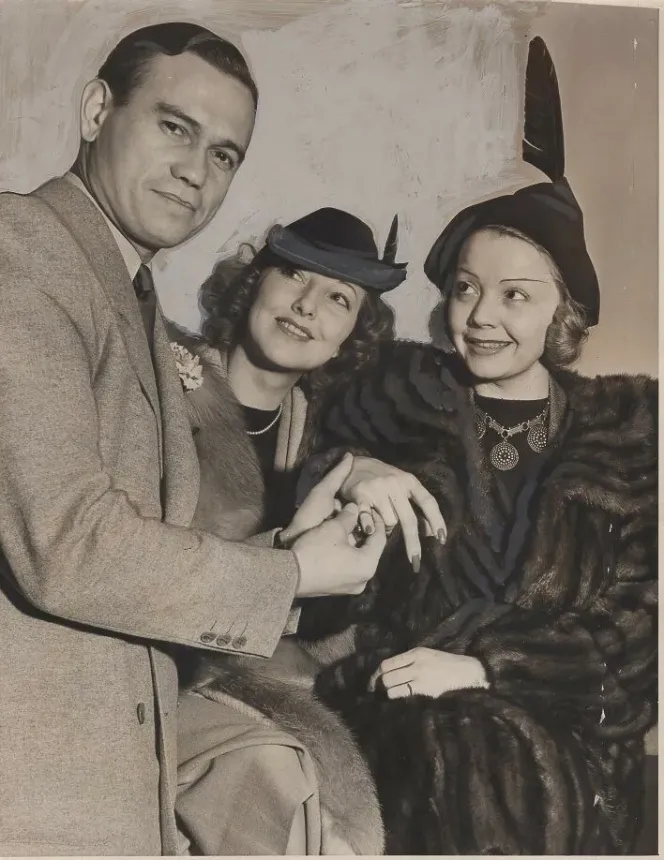
Traditionally, jewellery goes with weddings and engagements – rings for the new bride, cufflinks or tiepins for the groom, brooches and lockets for bridesmaids. However, the idea of celebrating the end of an union hasn’t had such a long history. Divorce is often a sad affair, the end of a hopeful partnership, but it can also mark a new beginning and why not have appropriate jewellery to mark it?
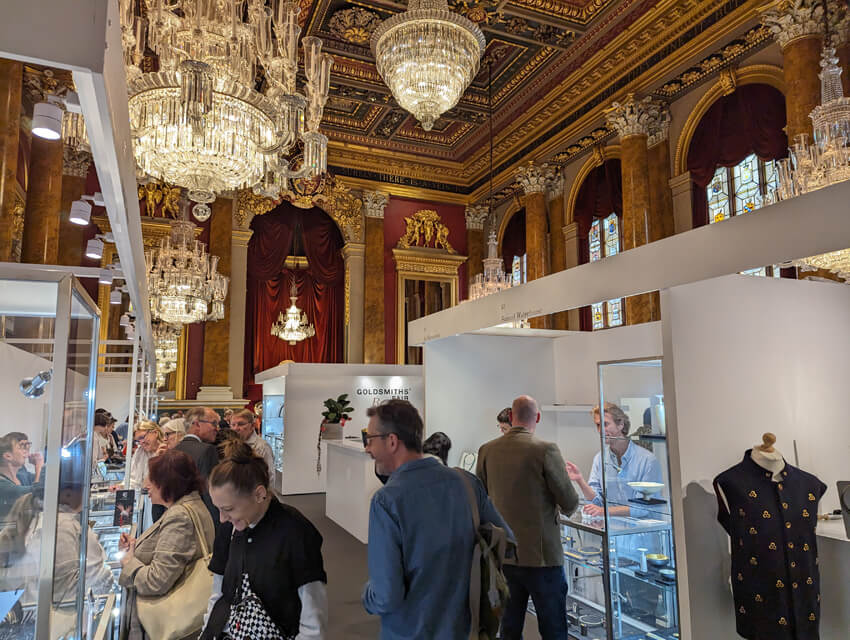
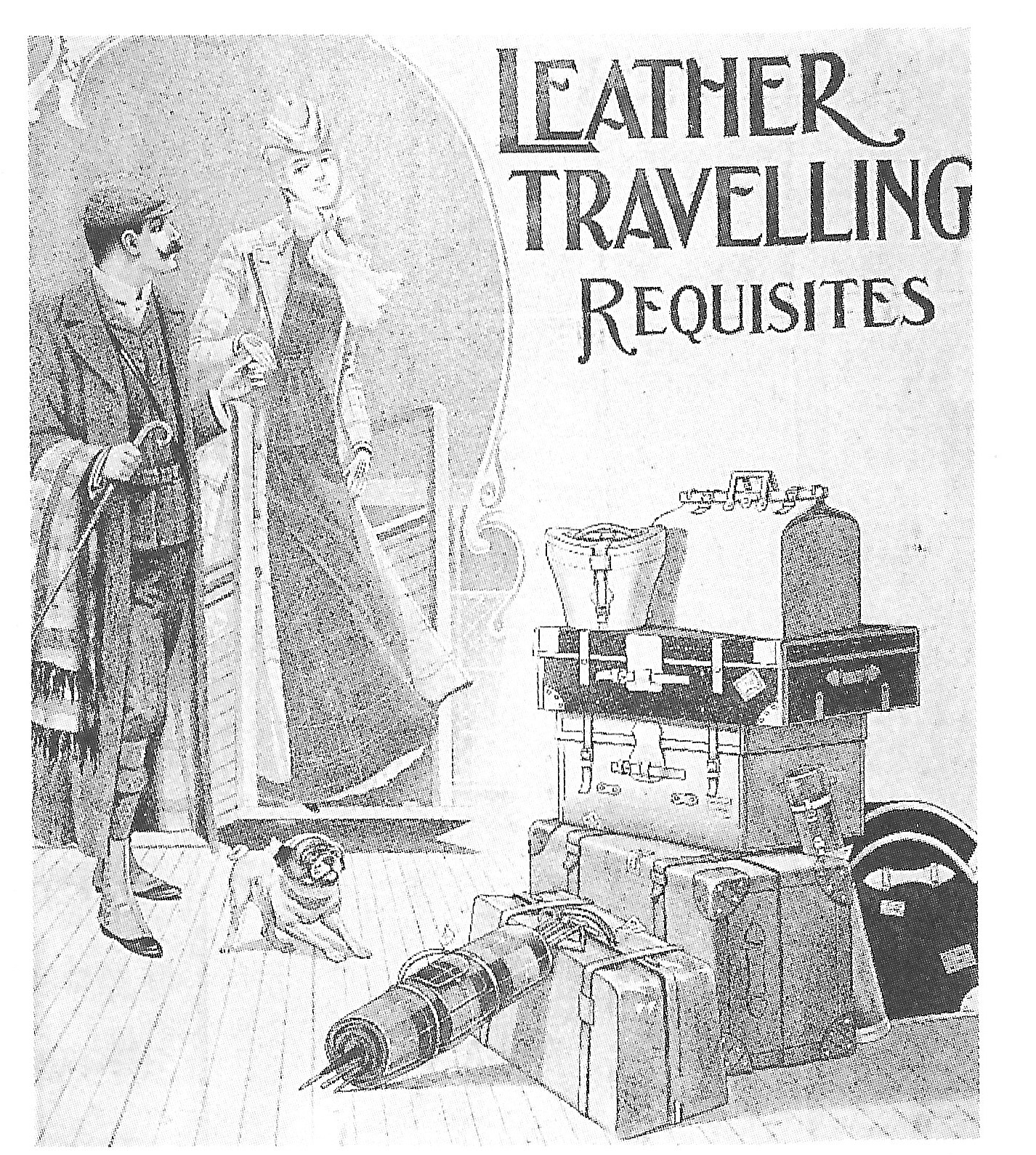
London is one of the world’s great jewellery cities and the perfect place to buy something unusual and exciting. Bond Street offers all the major
In 1912, Reginald Pearson made a set of jewellery as an engagement gift for Arthur Jones. The first World War took his life and that of his friend in dramatically different directions.
Jewellery can be a huge draw in a museum but what factors should you consider when planning the best display?
Edmund Waterton’s ring collection is now the cornerstone of the Victoria and Albert Museum This is the story of how it was created through eccentricity and extravagance.
A round up of some of the jewellery shown at London’s Collect craft fair, 2024
What ideas have jewellers come up with? In the early twentieth century, signet rings with hidden keys were all the rage.
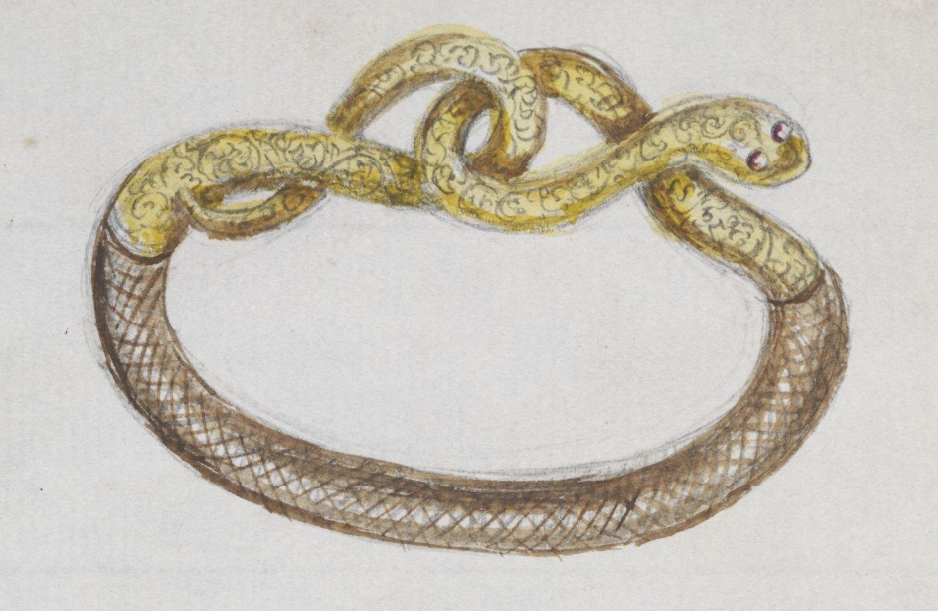
S is for Snake In the jewellery alphabet, S may be for Skull but it could also stand for Snake. Snakes are not the most
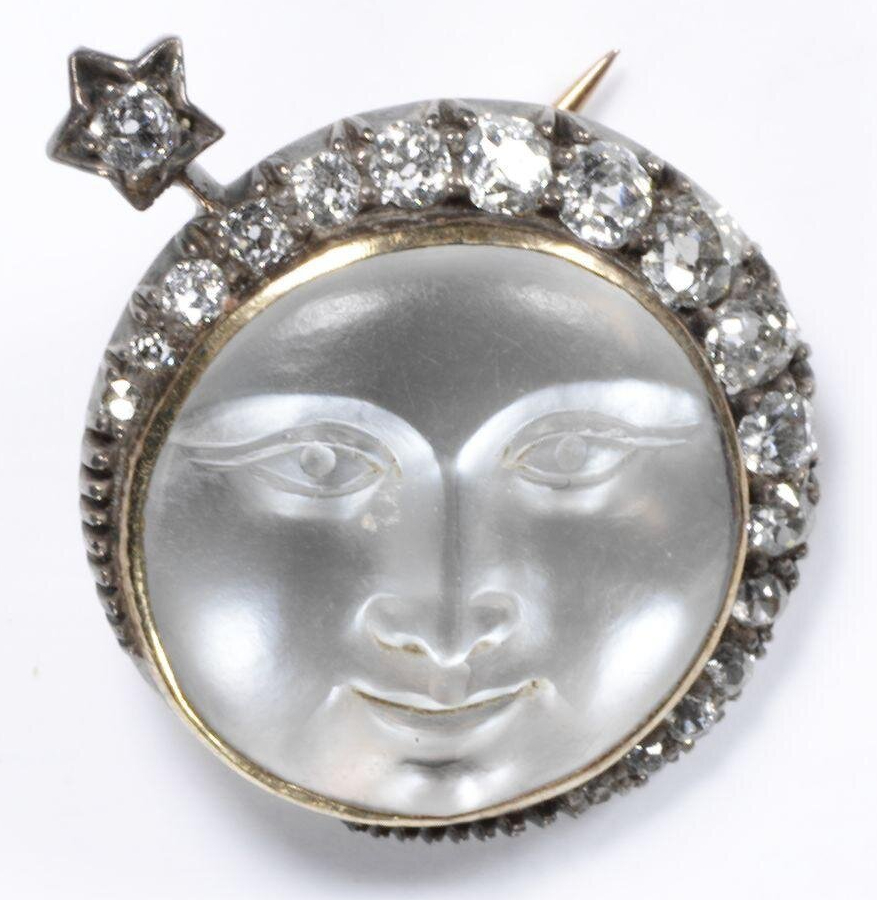
Understanding symbolism in jewellery is a key skill. The moon can represent the Virgin Mary, goddesses Diana and Artemis or be a fashionable jewel for the body or hair. In the 1960s, jewellery was inspired by the Space Race.
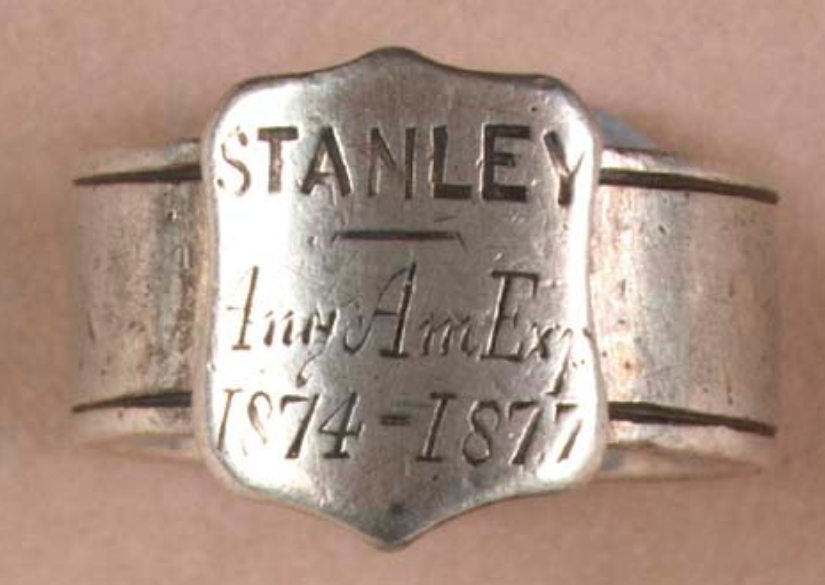
In 1874, explorer Henry Morton Stanley set off for central Africa with a ring engraved with his name and the expedition dates. Eight years later, the ring resurfaced as a wedding gift from a Congo missionary. Why did Stanley value the ring and how did it match up to his other wedding gifts?